


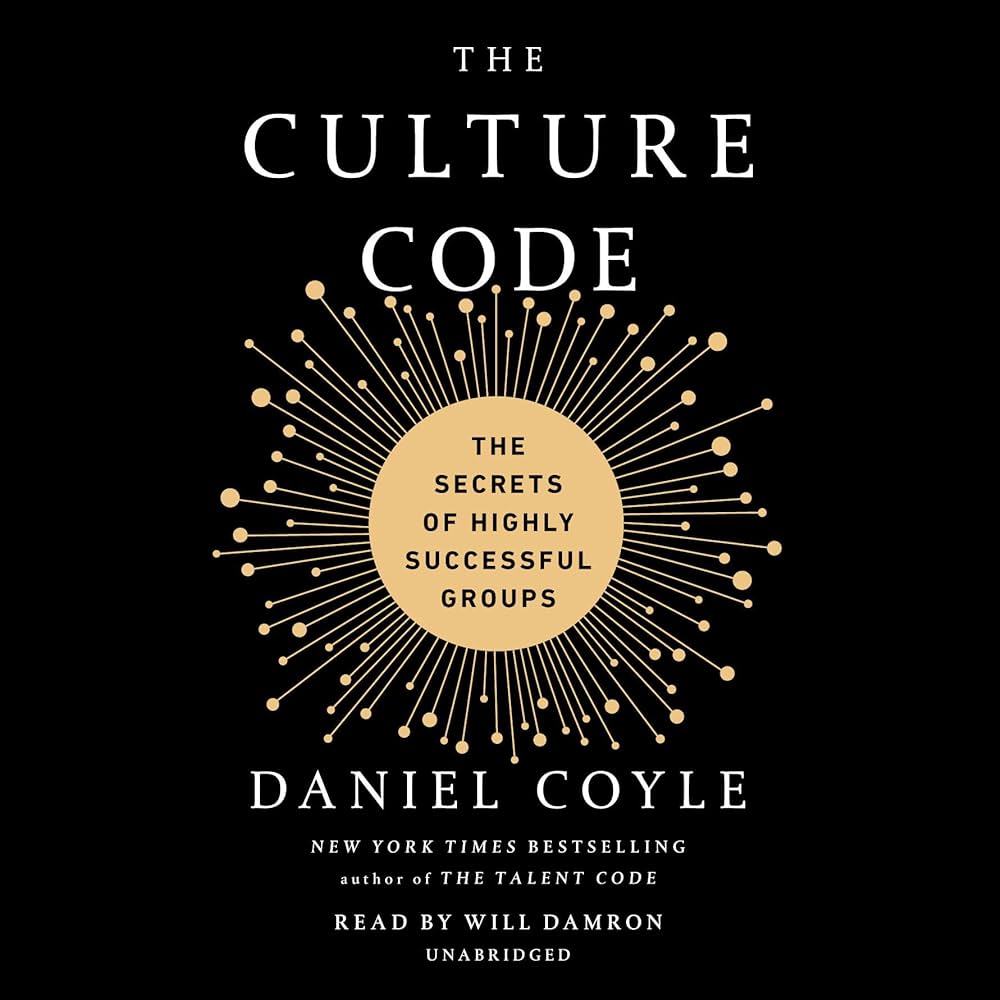
The Culture Code is written by Daniel Coyle. He surveyed successful organizations and found that they have many similar success factors. And that is the main reason why they can grow and progress continuously and sustainably.
In this article, we will explore lessons learned from The Culture Code that we can use to improve our work and personal lives, foster growth, communicate effectively, and gain a deeper understanding of human behavior.
The importance of culture
Culture is not just a backdrop, it is the part of our lives that we have to live in society or organizations every day.
This book explains how culture profoundly influences our values, behaviors, and relationships. It’s not just about being aware of cultural norms, but also about understanding how culture shapes our thoughts and decisions.
Example: In the book, Coyle tells the story of the San Francisco Giants baseball team and their remarkable turnaround. By building a culture of togetherness and belonging, and embracing cultural change, they went from underdogs to World Series champions.
Building trust in the team
Trust is what holds effective teams together.
Coyle’s insights shed light on the importance of trust in team dynamics. By fostering trust, we can cultivate supportive and cohesive teams where members rely on each other’s strengths.
Example: Coyle tells a story about a U.S. Navy SEAL unit that illustrates how their trust and unity were built through rigorous training and shared experiences. Their unwavering trust in one another was key to their success on a challenging mission.
The power of shared storytelling
Stories can help unite people’s minds.
Coyle’s study highlights the potential of storytelling to build shared purpose and drive change. By creating compelling stories, we can capture people’s hearts and minds.
Example: Exploring Pixar’s unique storytelling culture, this book reveals how shared storytelling, such as in the creation of “Toy Story,” has contributed to the company’s success and positive emotional impact.
The important role of vulnerability
In a world where weakness is often seen as a weakness, Coyle turns the tables. He shows how embracing each other’s vulnerabilities can strengthen relationships, foster innovation, and foster personal growth.
Example: Coyle shared data from the vulnerabilities and weaknesses of the US Navy SEALs. He showed how acknowledging the fears and weaknesses of his team strengthened their bond and helped them succeed in their mission.
Skills learning cycle
Learning new skills is like a never-ending journey.
Coyle presents the Skills Learning Cycle, a mechanism that demonstrates how focused practice, feedback, and continuous self-improvement can accelerate skill acquisition.
Example: The case of Brazilian footballer Ronaldinho, also known as “The Football Wizard”, highlights how the cycle of learning skills through relentless practice and guidance from good mentors led him to become a legendary player.
How to Build Ownership
Feeling that we belong to a society or organization we belong to is a natural human need.
Coyle demonstrates how inclusivity can foster a sense of belonging and spark motivation. By creating an environment where everyone feels valued, we can foster personal and collective growth.
Example: This book tells the story of Roseto, Pennsylvania, a close-knit community that fosters a sense of belonging. Residents are closely connected, participate in community activities, share a strong social support system, and demonstrate genuine concern for one another’s well-being. And this sense of belonging is what leads to remarkable health outcomes.
The dynamics of high performance culture
High-performance cultures don’t just happen, they have to be created. Coyle’s insights reveal the essential ingredients to create an environment that supports organizational excellence.
Example: Coyle analyzed the culture of the San Antonio Spurs, a professional basketball team that has had a long and successful history, and how the Spurs’ success has come from a high-performance culture built on discipline and shared values.
The Art of Dealing with Criticism
Constructive suggestions are a gift.
Coyle highlights the transformative power of feedback in this book, offering strategies for giving and receiving feedback effectively, which can promote personal and professional growth.
Example: Coyle shared a case study from design firm IDEO that showed how creative ideas led to innovative product designs that customers wanted.
Sparking change
Change often comes with resistance.
Coyle advises readers on how to spark successful change within their organizations by leveraging both small and large-scale change factors in tandem.
Example: Coyle shared the story of Martin Davidson, who spearheaded a culture change effort at the Darden School of Business in Virginia. Through strategic change, he transformed the school into a more diverse and inclusive institution.
The power of signals
Images and symbols are powerful tools.
Coyle describes how signals in our environment influence our behavior and decision-making.
Example: An analysis of the U.S. Marines’ meticulous attention to uniform standards and customs highlights the effects of signals on discipline and cohesion.
Influence of location
Our physical environment affects our behavior.
Coyle offers insights into how to optimize our workspaces to increase productivity and creativity.
Example: Coyle had the opportunity to examine the workspace design at IDEO, where he found the workspace to be open, collaborative, and innovative.
The secret to changing culture
Cultural change is an ambitious and challenging endeavor.
But the important thing is that positive changes can create sustainability in our personal and professional lives.
Example: A survey of changes at Alcatraz Prison shows how positive cultural changes can restore people’s spirits, even in the most challenging environments.
Leadership in building culture
Leaders play a crucial role in building culture.
This book emphasizes the importance of effective leadership in creating vibrant cultures and driving organizations with purpose.
Example: This book explores the leadership style of Gregg Popovich, the coach of the San Antonio Spurs, whose leadership style instills a sense of shared purpose among team members.
The Science of Relationship Connection
Connection is a basic human need. Coyle delves into the science behind building and maintaining relationships, both of which have a powerful impact on building and sustaining a person’s well-being in a society or organization.
Example: Coyle’s analysis of the close-knit Italian-American community of Roseto highlights the profound impact of strong social ties on health and well-being.
Important rituals
Rituals provide a sense of continuity and belonging to a society and organization.
Coyle found that rituals that take place in a society or organization have meaning in the lives of people in that society or organization, whether in the family, at work, or in the community.
Example: This book delves into the powerful rituals of the U.S. Navy SEALs, demonstrating how they create bonds that transcend the battlefield.
The Art of Listening
Listening is an important human art.
Developing our listening skills can enhance our relationships, communication, and problem-solving.
Example: Coyle explored the deep listening practices of legendary musician Bob Dylan, demonstrating how active listening enhanced his songwriting.
The Power of Praise
Praise is a powerful motivator. This book explains the art of giving sincere and effective praise, a tool that can inspire and encourage others.
Example: This example of recognition and recognition within the U.S. Marine Corps exemplifies how this practice motivates Marines to excel.
Accepting Diversity
Diversity is not just a buzzword, it is a source of strength.
The benefits of being open to different perspectives can lead to innovation and the ability to adapt.
Example: This book presents the global collaboration of design firm IDEO, where diverse ideas lead to innovative solutions that are interesting and desired by clients, etc.
The role of repetition
Repetition is a powerful tool for learning.
Coyle emphasizes the importance of repetition and deliberate practice in learning skills and achieving mastery.
Example: This book explores the disciplined training of Brazilian footballers, who practice the same movements over and over again until they are able to perform perfectly on the pitch.
Impact of Objectives
Good objectives provide the right motivation and direction.
Coyle highlights the importance of having clear goals, which can spur both personal and professional growth.
Example: Coyle explores the purpose-driven culture of the San Antonio Spurs, where a shared goal of winning unites the team.
From the book “The Culture Code”
More details: https://www.amazon.com/Culture-Code-Secrets-Highly-Successful/dp/0525492461
Featured Articles
Eat That Frog: Eat That Frog: The Ultimate Time Management Tip
