

Circular Economy in Education The issue of circular economy and educational institutions is very important at the moment because educational institutions can create changes through teaching students, including activities to lead to a circular economy or Circular Economy in Education as well. In this article, we will understand that if educational institutions are interested in doing circular economy, how can they get started?
This is the moment when every educational institution or almost every place is rethinking their role in environmental issues. The reason is because the global temperature is rising as if it is going to cook meat or the air pollution problem is quietly killing the world’s population. Many negative changes are happening, causing the world to find ways to change behavior and drive the environment to be more responsible for society and the world.
Universities or educational institutions are another group that play a role in cultivating quality populations and are places where a large number of people gather. Therefore, universities are also very suitable places if we want to really drive the circular economy. Let’s take a look at the following 10 examples, which are methods that universities around the world have successfully applied the principles of the circular economy in their daily operations.
1. Creating a visual case study within the university:
Within the university compound, there are areas where we can focus on food, energy, water use, biowaste and food waste. When we try to match the behaviors with the results, both good and bad, we can see the necessity of changes that we can make. For example, the University of Melbourne’s drive to transform every new building to pass the design criteria into a 5-star Green Office has resulted in a 24% reduction in energy use within the building, a 49% reduction in carbon emissions from energy use, a 38% reduction in water use and a 41% increase in waste recycling.
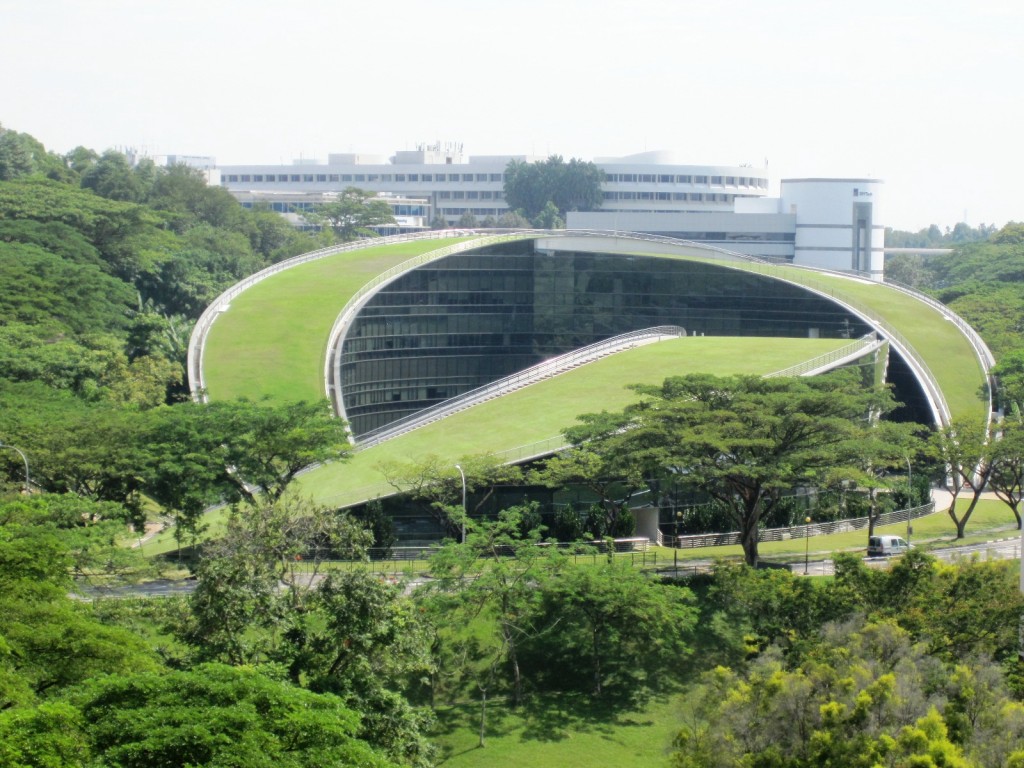
Another interesting example of this is the University of North Carolina. They have a green roof program. Data shows that greenhouse gas emissions from their buildings decreased by 12%, energy use decreased by 33%, more than 42% of waste was managed correctly, consumption of local or sustainable food systems increased by 25%, and consumption of organic food increased by 13%.
2. Furniture as a Service:
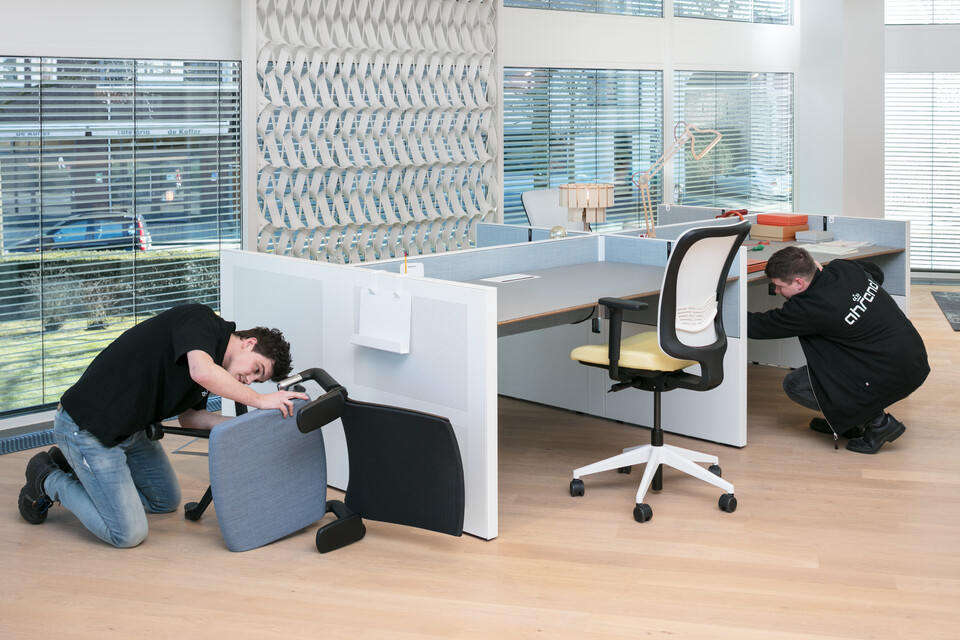
From university dormitories to classrooms, buildings or student service areas, furniture is a large part of the cost that universities have to invest. If this furniture can change its sales model to become a Product as a Service Model, a product in the form of a service that can be reproduced or remanufactured with a buyback offer and a repair warranty, the university will be able to reduce the cost of furniture, reduce the environmental impact and create social value by creating local job opportunities.
3. Deposit refund system for glasses and food containers:
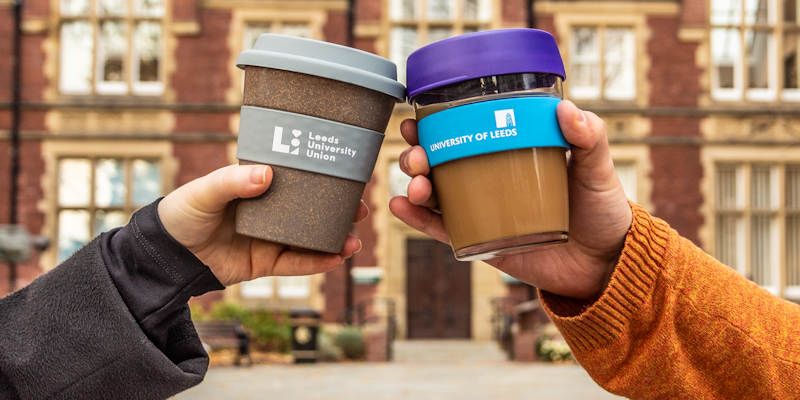
This measure is something we have been talking about all along. Using reusable cups or containers for food instead of disposable plastic packaging will help reduce waste and the associated environmental impact. This will act as a tool to raise awareness and something that students and staff can easily get involved with. They may be motivated by discounts or special offers, such as bringing their own cup or container and getting a 5 baht discount on drinks, or bringing their own cup 10 times and getting a free drink, etc.
4. Circular Appliances:
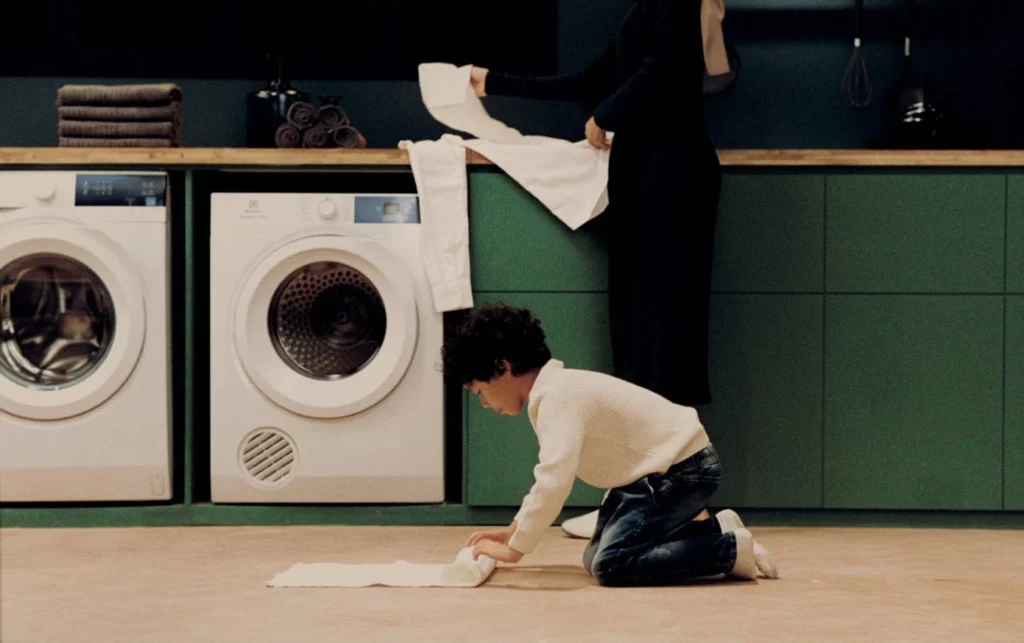
Coin-operated washing machines are available in almost every student dormitory, or many people have seen vacuum cleaners, refrigerators, kettles, or microwaves that are shared but never used. These are all products that are overlooked because in reality, they are products that help save a lot of money economically and environmentally. These products are not something that any one person will use all the time. Reducing the number of these devices and using them together will save money, energy, and create awareness of using every device efficiently.
5. Lighting as a service:
Lighting services can play a key role in helping the circular economy grow in the lighting industry, especially at the university level. The business models of lighting companies today are quite innovative, diverse and creative. Their services come with energy and cost savings for universities. By implementing some mechanisms to increase comfort and create a program for personal lighting in student residences, universities can significantly reduce the amount of lighting costs on campus.
6. Provide funding for circular innovation in universities:
A revolving fund for students and researchers to start projects based on the circular economy can act as an incubator for creating sustainable solutions. For example, repairing facilities, electronics products can be an incentive for students. This is not difficult for universities to do. All it takes is creating a space where students can easily conduct research in that area. For example, at the University of Washington, students submit projects through the university’s sustainability fund, receiving awards ranging from $250 to $100,000 for their research. The results of the research have led to an 8% reduction in the university’s carbon footprint, a 59% increase in sustainable food consumption, and 58% of waste being properly landfilled.
7. Develop innovation centers:
A dedicated innovation hub within the university can help bring together researchers and practitioners from all sectors with the potential and creativity to exchange ideas and expertise to create innovations that support products or models that solve problems. The MIT Office of Sustainability (MITOS) or focuses on ways to reduce waste and feed the economy can develop solutions to a myriad of problems, and importantly, help transform the waste system within the university.
8. Teaching and research:
Universities are places where essential knowledge is provided to all citizens, as well as solutions, technologies, approaches and innovations to support the implementation of the circular economy. It can be said that universities are the building blocks of national potential, collaborating with and supporting innovative companies to find solutions, provide training and provide research opportunities for sustainable development. Many universities use the concept of the circular economy in both teaching and research, which may involve students in design, business, environment and other forms of teaching and research within the university.
9. Industrial Linkages:
Universities are hubs for innovation, invention and discovery, and play a role in the development of almost every major technology. As such, universities can extend their role as innovation hubs to support and initiate businesses, such as high-tech start-ups working on university research projects, which provide technologies and services for sustainable development. Universities can also initiate partnerships with local businesses, which will allow them to share benefits and provide two-way support through operations and funding.
10. Work together and accept:
To promote the idea in the university, training sessions that combine students and staff with a set of lecturers who are knowledgeable about the circular economy will create knowledge exchange and lead to collaborations to build capacity through education. Collaboration has also been found to be an effective way to address the challenges facing developing economies. As the university has extensive links to many developing countries through international students and alumni, international campuses, academic exchange programs, study tours and partnerships with universities in developing countries, all of which can make a positive change in the circular economy for the university.
Conclusion
In the past, it must be admitted that universities are places that produce quality people and research that is beneficial to the world in large amounts. Many new developments, innovations or theories have been discovered within the walls of universities around the world. Therefore, if we want to review our role in driving certain measures for the world, starting from a source of quality people and ready resources like universities is a very good idea.
Universities are places where millions of young, curious, enthusiastic and creative people can connect with each other, all of whom aspire to a better world. As society becomes more focused on making changes for a better world, universities are one of the best places to be when you talk about driving the circular economy.
Reference:
10 ways how Universities can lead the way towards Circular Economy
