

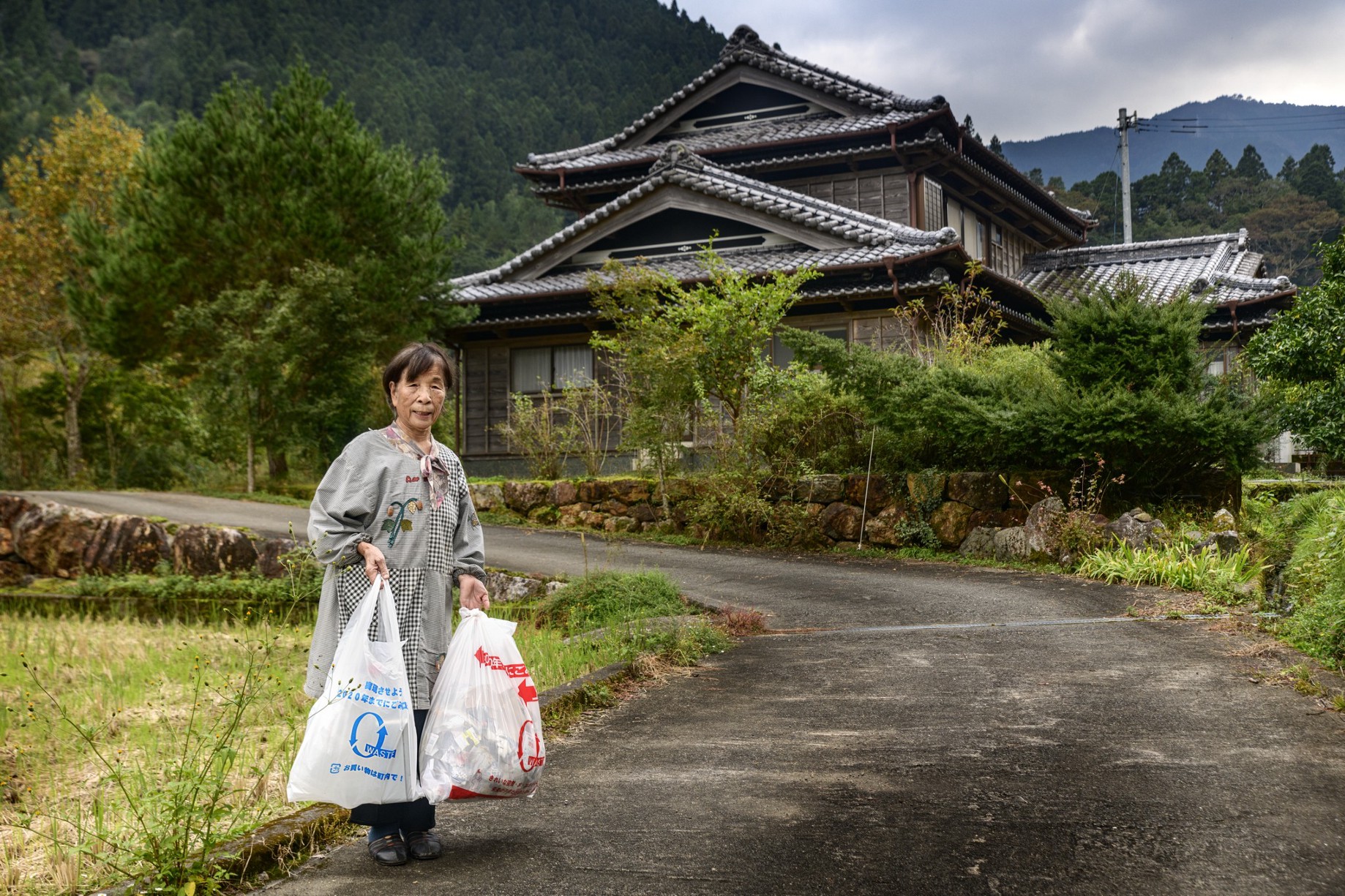
Kamikatsu Zero Waste Town This village wants to be a village without waste. But to achieve this goal, it is not easy. Because in terms of waste management, just a few small groups of people will definitely not succeed.
Kamikatsu is a small village in southwestern Japan. The village has a small flat area and about 85% of the total area is forested mountains. The total population is about 1,580 people, living in 800 households, separated into 55 communities. Each community lives in the terrain at an altitude of 100 to 800 meters.
“The impact on nature comes back to impact the perpetrators.”
In the past, this town used to be a place where burning garbage was a common practice, before they realized how badly their garbage burning was affecting the environment. The incinerators they used to burn their garbage were the culprit in releasing a lot of greenhouse gases and pollution, and were the culprit in destroying their natural food sources. What they did to nature eventually came back to affect them, and this was the beginning of the awareness that arose in this village.
“When Japan is drowning in garbage”
Historically, Japan has always been a country that promotes recycling. In the past, Japan had a higher percentage of garbage recycled than it does today. Then, in the 1950s, when the war boom came, factories rushed to produce goods for sale, while creating a lot of garbage. In the civilized places of the city, a lot of garbage was created, causing the amount of garbage in Japan to increase dramatically. Within 20 years, the amount of garbage increased by 5 times, from 8.9 million tons in 1960 to 43.9 million tons in 1980, which is equivalent to filling the Tokyo Dome baseball stadium about 116 times.
“Being pressured to get rid of the waste you create”
Municipalities large and small across Japan have had to invest large amounts of taxpayer money into building incinerators. Japan has been hard pressed to find ways to keep up with the rapidly increasing amount of waste it generates, but unfortunately, they are still going in the wrong direction. In the 1980s, the government continued to burn waste in open areas, but hopes of finding a more proper way to manage waste were dashed in the 1990s in the village of Kamikatsu.
“Hibigaya Waste Station, a symbol of the current zero waste project in Kamikatsu Village.”
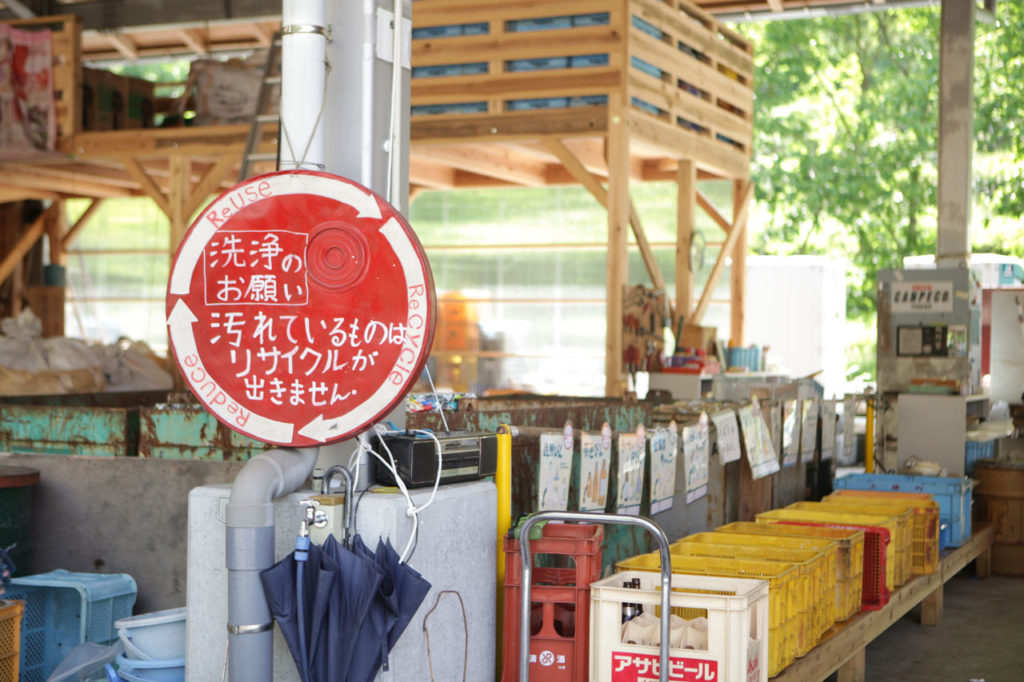
Hibigaya Waste Station was established, and its interior features signs and decorations made entirely from recycled materials. However, since Kamikatsu Village’s 55 communities are spread out over a large area, it would be expensive to purchase garbage trucks to collect garbage from each community and bring it to the waste station. In 1994, the local government began drafting a plan for a recycling town project.
“The first step is to make compost from household waste.”
From the study of the composition of the waste and the amount that occurs, it was found that solid waste is the largest amount of all waste. If it is to be burned like other waste, it must rely on additional fuel because household waste is waste with high moisture content and cannot be burned like other general waste. Therefore, the village chose to use a different method by taking household waste such as food scraps and turning them into compost.
“Support that drives real change”
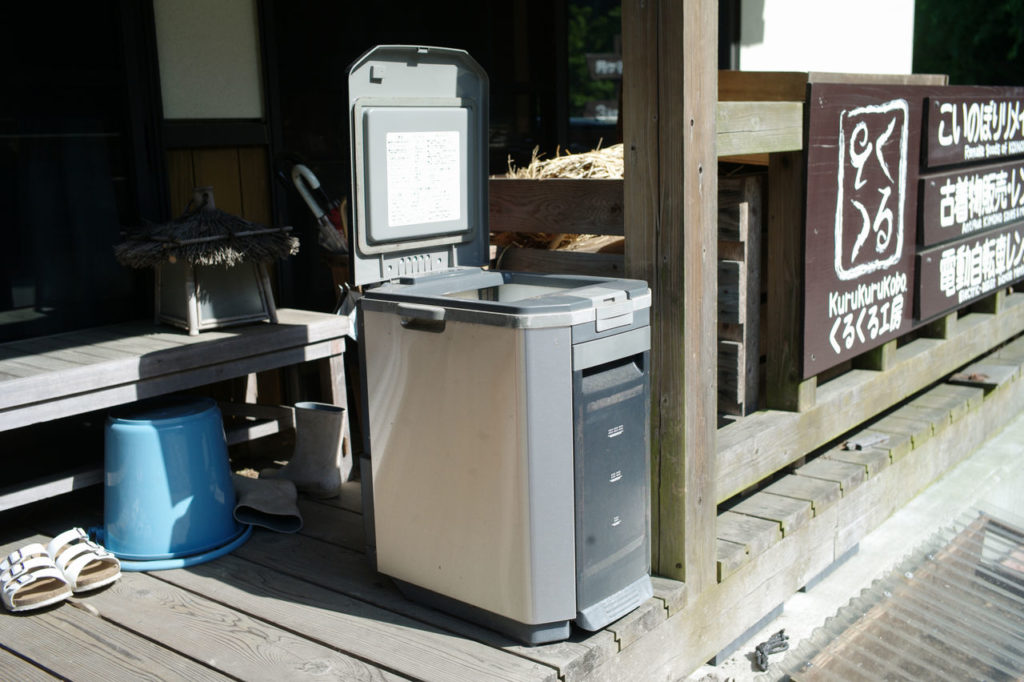
In 1995, Kamikatsu Village offered villagers financial assistance in purchasing household waste processing machines, a pioneering initiative in Japan at the time. Each household could purchase one such processing machine for the special price of just 10,000 yen, and it had a utilization rate of 97%, meaning that they could eliminate almost all of the raw waste (e.g., household food scraps that could be composted) that the town produced.
“Wash, sort and take the waste to the city waste sorting center.”
In 2003, the village took part in the Zero Waste project seriously. It took a long time for the village to make the transition to washing, sorting and taking their waste to the city waste station, but eventually this process became a way of life for them. The waste station is open every day from 7:30 am to 2:00 pm. It is closed only for 3 days on New Year’s Day. There are staff at the station who are on hand to help and give advice if there is any problem in sorting waste.
“All communities converge here, which makes this a place for inspiration and community interaction.”
Sakano Akira, the fourth president of Zero Waste Academy, a non-profit organization that aims to promote the sustainability of Kamikatsu Village, said that Kamikatsu Village’s waste station has become a center of interaction for the entire region because it is where all the communities meet. Some people even come because they look forward to talking to the staff. They exchange stories and methods of sorting waste here, and a lot of good things happen at the waste station.
“Bring Your Own Resources” project
The Bring Your Own Resources project is a shop where people can exchange their unwanted clothes and furniture for other items that others have also discarded. This is a way to exchange used items, rather than just throwing them away. There are also factories on the streets where women in the village can make or sew teddy bears from old kimonos that they no longer use.
“Waste sorting from just 34 types in 2002 to 45 types and 13 categories in 2015.”
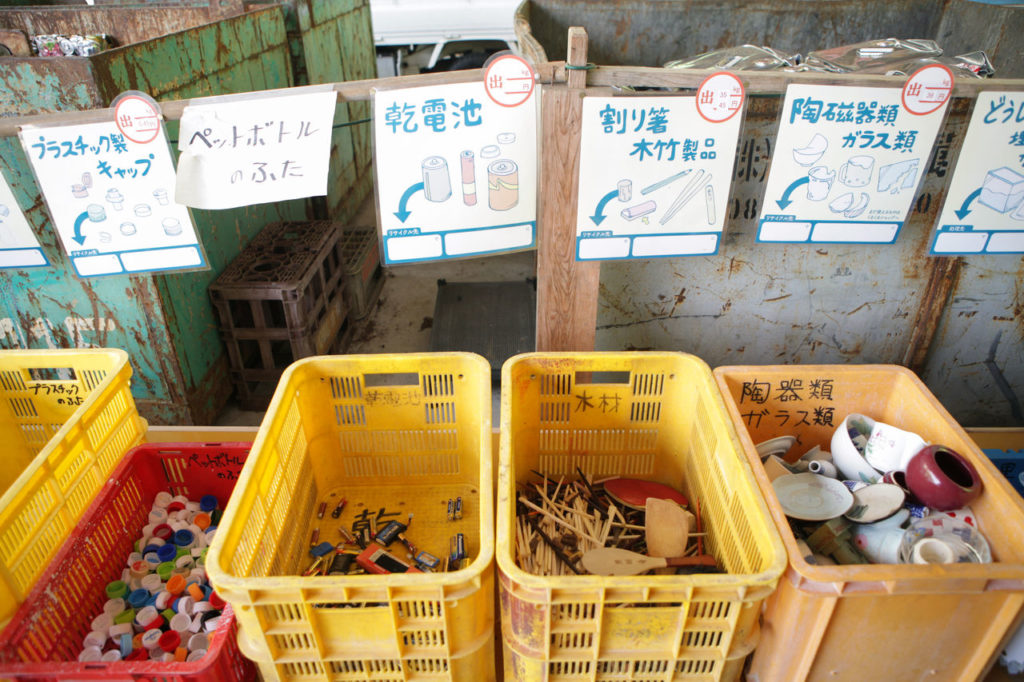
Kamikatsu Village searched for a service provider to handle the recycling process until the town hall staff found a recycling service provider who would make products from the recycled materials. They initially sorted their waste into four categories, but since then many recyclers have requested their waste, so far there are 45 categories. For example, metals are sorted into five categories, plastics into six categories, and paper into nine categories. Only a few types of waste are burned, including materials such as PVC or rubber, as well as diapers and feminine hygiene products.
“Thanks to everyone’s increased efforts, we have achieved an 81 percent recycling rate.”
Sakano Akira recounts statistics published in the 2016 Ministry of the Environment’s General Survey on the State of Waste, and says that selling waste such as paper and iron can generate between 2.5 million yen and 3.0 million yen per year, which effectively offsets Kamikatsu Village’s waste disposal costs. The more careful the separation of resources is, the higher the selling price of such materials on the market.
“We tried to pay more attention, but it changed the way we lived our lives in a profound way.”
In 2016, over 81% of the city’s waste was recycled, reused or composted. Kamikatsu Village aims to dispose of their waste without incinerating or sending it to landfills, and has become the first village in Japan to implement a zero waste policy. In the near future, Kamikatsu Village hopes to achieve zero waste.
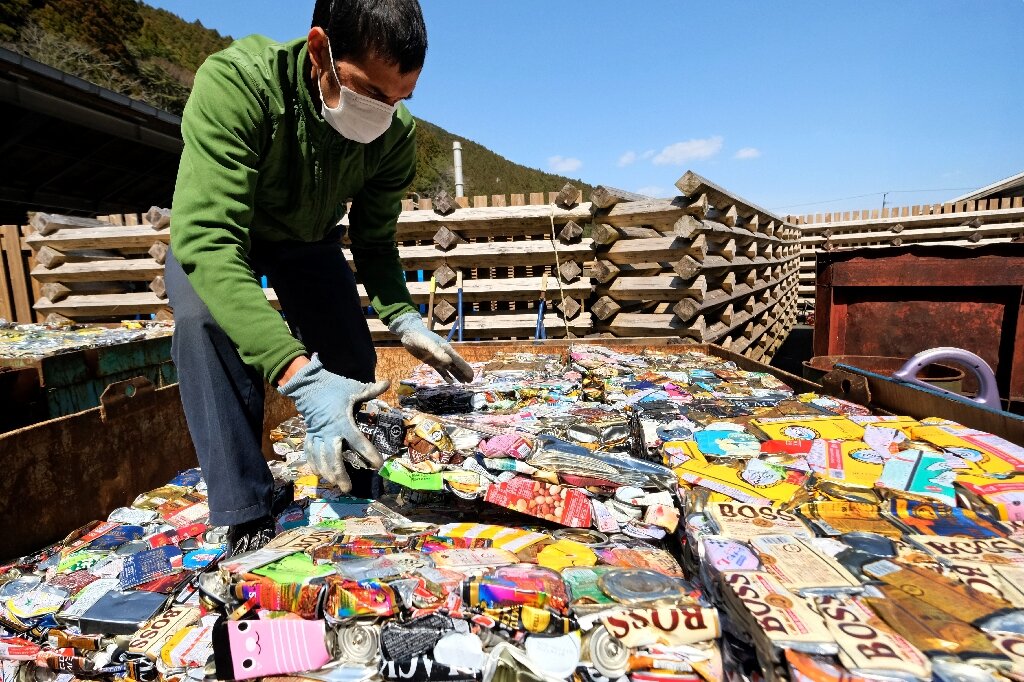
“Kamikatsu Zero Waste Town, a model village for Zero Waste”
The transformation and success of Kamikatsu Village has led cities around the world to follow in their footsteps and reduce their waste in the village’s own way. For example, in 2015 San Diego announced their waste reduction plan, aiming to eliminate 75% of their waste by 2030 and become a zero waste city by 2040. New York has similar plans, hoping to become a zero waste city within 15 years, for example.
Conclusion
Trash is something that everyone creates and it is hard to deny that it is not ours. When we eat food, wear clothes, sit on chairs or sleep on beds, the global waste production rate is increasing faster than progress. According to the World Bank report, it is estimated that by 2025, the global population will produce approximately 3 pounds of trash per day. Today, just in our country, we can see that the amount of trash has really increased.
So we may not be able to avoid creating waste, but we can reduce it, and we can choose where our waste goes. Just by starting from being aware of the impact of creating a lot of waste and disposing of it irresponsibly, we can start. Start learning how to manage it properly, start doing it, start educating others, start telling others. Just like that, we can create change like Kamikatsu Village did.
“We can choose to change the world by simply starting with the trash in our hands.”
Japan’s Town With No Waste | Kamikatsu
Source:
The Kamikatsu Zero Waste Campaign: How a Little Town Achieved a Top Recycling Rate
The simple way this Japanese town has become nearly zero-waste
